Services
 
Home > Services > Assessment
Assessment


This is a very important area in the diagnosis of a child. A differential diagnosis is important to check that the child:
  • Is NOT mentally retarded
  • Is NOT a slow learner
  • Has NO primary emotional disturbances
  • Has NO problem with English as a Second Language (ESL)
 
 
A psychologist trained in the area of assessing these children does a battery of tests. These tests will tell us if the child has a specific learning disability or not and what are the strengths and needs of the child.

Cognitive tests are also conducted by us - this is normally done only on request or if we feel the need.

Based on the tests the right kind of counselling is given to the parents.

  • If the child does not fall under the dyslexic category then the child is referred to other places where the child could find help.
  • If the child has a specific learning disability the parents have to be counselled on the kind of remedial help that this child would need.
Assessment Battery
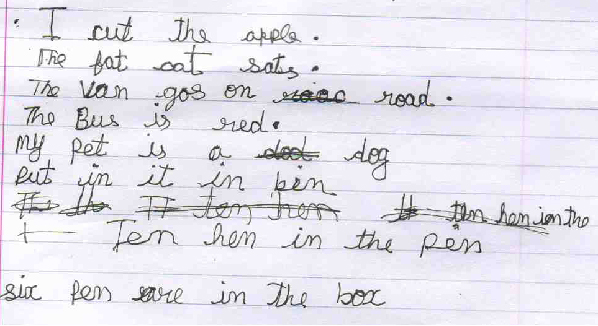
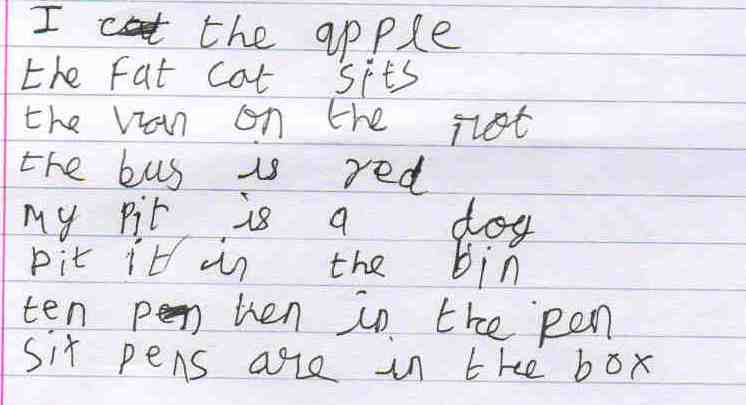
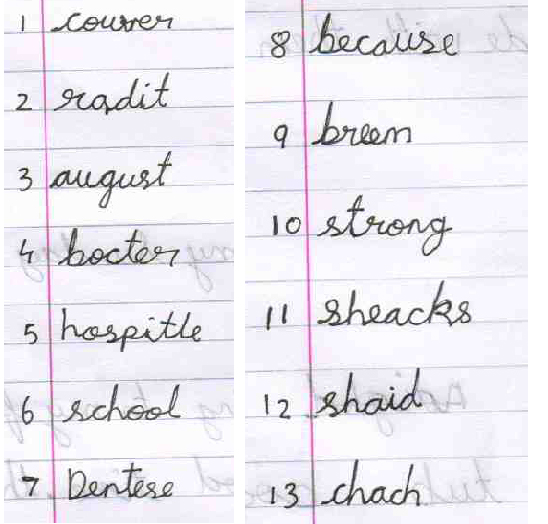
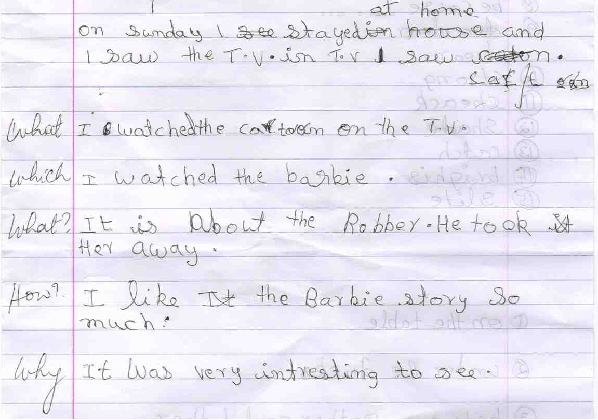
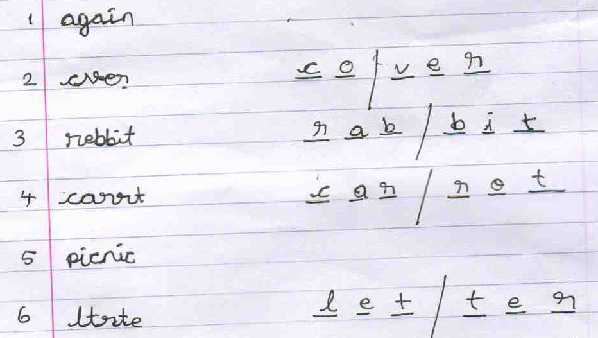
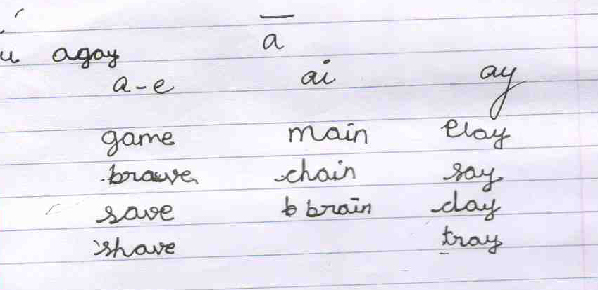
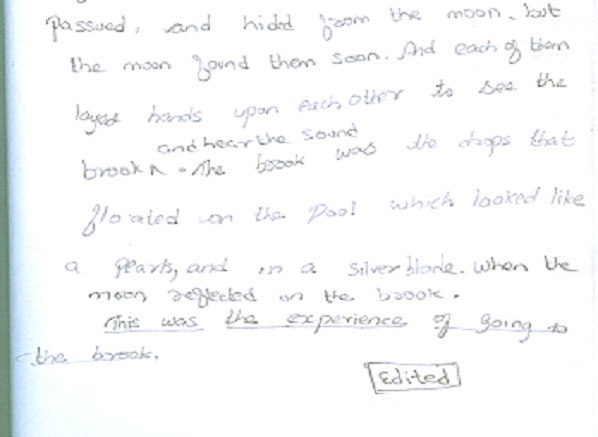
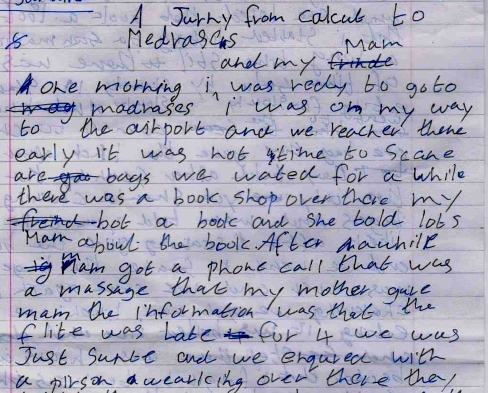
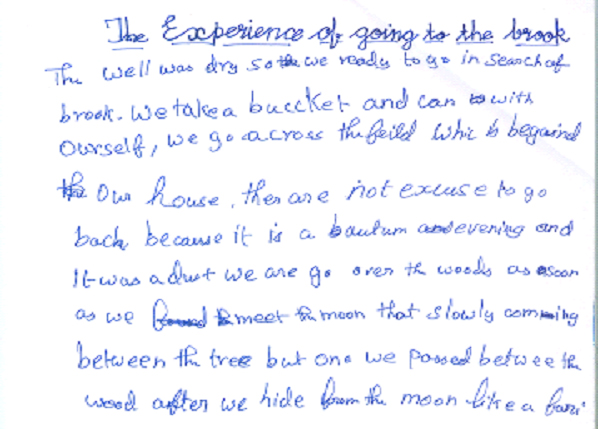
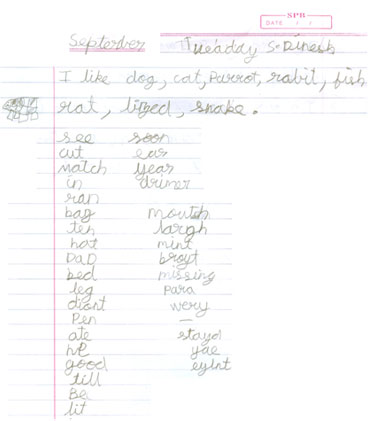
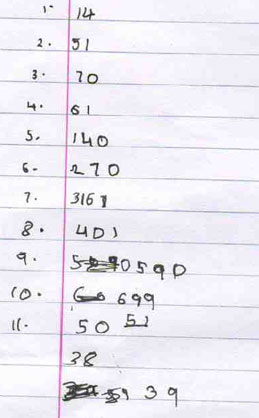
A battery of tests to assess the child in the various areas is used. Spelling, reading, comprehension, writing, memory, visual motor integration and receptive and expressive language are tested. Study skills is tested from the child’s own textbooks.
Recommendations
A detailed report is given about the findings in the different skill areas. A differential diagnosis is made about the kind of problem the child has. Referrals to other professionals like speech therapists, occupational therapists, doctors and counselors are made based on this report. The child is also offered a part time remedial help or intensive remedial help as a pull out from school.
Assessment Pre-Requisites
Birth history Family history
Educational history General health
Vision Hearing
Speech and Language Co-ordination
Attention and Emotional Behavioural aspects Communication/relationship aspects
Self-esteem Intelligence
 
Birth history
Were there any problems before, during or after birth, e.g. a premature birth?
Back to Top
Family history
Are others in the family dyslexic?
There is usually a genetic factor in developmental dyslexia, though other family members may have varying symptoms and severity.
Back to Top
Educational history
Has school experience been of the usual kind?
Are Special Needs recognized?
What intervention has there been?
To what extent has it helped?
Back to Top
General health
Have there been any long illnesses, involving school absence?
Could there be any undiagnosed conditions, e.g. mild epilepsy or petit mal, which may look like inattention and gaps in continuity?
A physical injury or a stroke may indicate acquired dyslexia.
Back to Top
Vision
School medicals are not enough.
Has vision been checked by an optometrist?
Does the student lose his place when reading or make many reversals?
Is the student light sensitive or does the print blur or appear to move?
Back to Top
Hearing
Has hearing been checked?
As a young child, did he/she have 'glue ear' which may have hindered auditory perception of sounds in words?
Back to Top
Speech and language
Have there been delays or deficits in speech and language development?
This includes pronunciation of words, vocabulary development, complexity of spoken language and understanding of language heard.
Is there a tendency towards dysphasia?
Would a referral to a speech and language therapist be advisable?
Is English the first language of the student and in the home?
This could have implications for test results, even for visual/spatial aspects of cognitive ability for which oral instructions are given.
Back to Top
Attention and Emotional Behavioural aspects
Is the student clumsy or accident-prone?
Does this affect gross and fine motor movements?
Does it include awareness of one's own body in space in relation to people and objects?
How about anticipation of the movements of others, e.g. in team games?
Is there a tendency towards dyspraxia?

That would be a possibility if verbal ability is considerably higher than visual-spatial skills in ability tests.
Would a referral to an occupational therapist be advisable?

Left-handedness is not significantly higher in dyslexics but life is harder for all left-handers. Cross-laterality is not significant either. However, late development of hand dominance or non-dominance of hand, eye, foot, seems to happen more often in dyslexics. This may not be full ambidexterity.
Back to Top
Communication/relationship aspects
This is different from speech and language disorders. Does the student have difficulty making eye-contact, communicating and making relationships and showing appropriate behaviour? Is there a tendency towards some aspect of autism?
Back to Top
Self-esteem
Literacy is deemed very important in our culture. It is not surprising that those who find it difficult are very frustrated, depressed and has low self-esteem. There is controversy about giving labels, but most dyslexics are very pleased to know that there is a reason for their difference.
Back to Top
Intelligence
There is controversy about the nature of intelligence and how to measure it, as today we go by the multiple intelligence concepts and also the cognitive modifiability of the IQ. We normally do only an educational testing as the dyslexic child has average or above average intelligence, The cognitive testing is called for only when there is a doubt of slow learning, or to find out the verbal and performance scale scores.
Back to Top